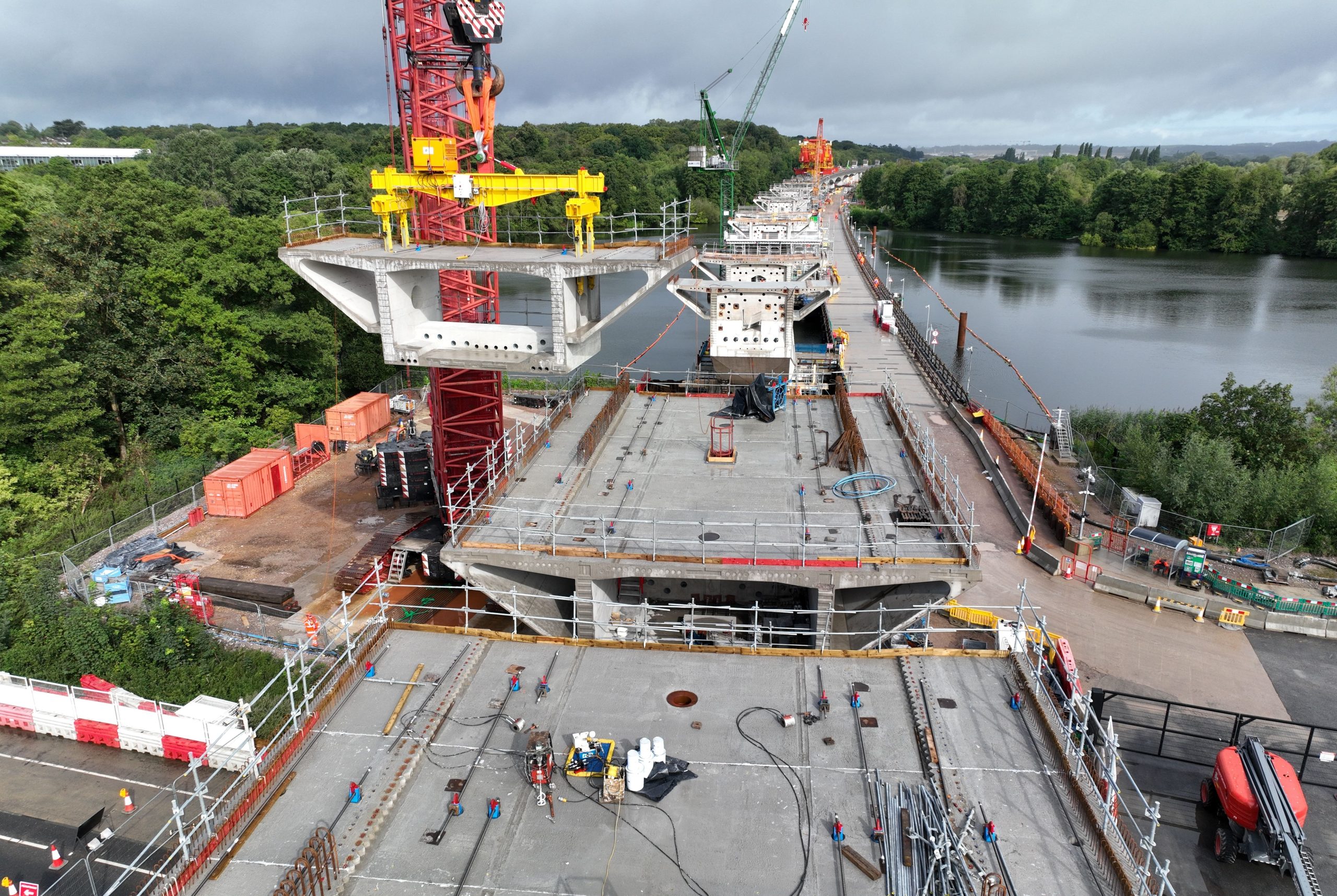
The real reason major programmes struggle with early warning management
Most delivery teams understand the importance of early warnings, but fragmented operational visibility often prevents issues being identified early enough. Here’s why early warning management continues to fail across complex programmes.

Early warnings are supposed to prevent escalation
The purpose of early warning management is simple.
Identify problems early enough to reduce impact.
In reality, many major delivery environments still operate reactively. Issues are often identified only after:
schedules deteriorate,
operational pressure increases,
or commercial exposure has already escalated.
By the time formal reporting reflects the problem, delivery teams may already have limited recovery options available.
This creates a major gap between:
operational reality,
programme visibility,
and proactive management.
The challenge is not usually lack of effort.
The challenge is fragmented awareness across complex delivery environments.
Why operational deterioration often goes unnoticed
Most delivery deterioration happens gradually rather than suddenly.
A supplier slips several activities. Design information arrives late. Operational access becomes constrained. Blocked works begin increasing. Resources move elsewhere. Progress slows across multiple areas simultaneously.
Individually, these issues may appear manageable.
Collectively, they can create major programme instability.
In fragmented environments, these signals often remain disconnected across:
project controls,
operational teams,
commercial management,
and supplier reporting.
As a result, nobody sees the full delivery picture early enough.
By the time the issue becomes visible at programme level, deterioration may already be well established.
The problem with traditional reporting cycles
Many organisations still rely heavily on weekly and monthly reporting structures for delivery visibility.
The issue is that operational environments change daily.
Site conditions evolve constantly. Suppliers adjust sequences. Access constraints appear unexpectedly. Delivery dependencies shift across multiple teams.
Traditional reporting cycles struggle to keep pace with this level of operational movement.
This creates several recurring problems:
Operational issues escalated too late
Delivery deterioration hidden between reporting periods
Early warnings raised after impacts already develop
Commercial exposure identified reactively
Programme teams lacking live operational awareness
As delivery environments become more complex, these delays become increasingly dangerous.
Why disconnected systems reduce early visibility
Most infrastructure and engineering programmes operate across fragmented systems.
Programme controls may sit in P6. Commercial workflows operate elsewhere. Operational coordination happens through meetings, spreadsheets and email chains.
This fragmentation creates blind spots between:
delivery activity,
operational pressure,
and commercial awareness.
For example:
project controls may identify float deterioration,
operations may already know work is blocked,
commercial teams may see emerging exposure,
…but none of that information connects together clearly enough to trigger proactive action early.
This is why many programmes struggle to move from reactive management to preventative management.
NEC environments increase the importance of early awareness
NEC contracts are fundamentally built around proactive communication and early intervention.
Early warnings are not administrative exercises. They are intended to reduce delivery and commercial impact before deterioration escalates.
But effective early warning management depends on:
live operational visibility,
connected programme intelligence,
and strong coordination between teams.
In fragmented delivery environments, this becomes difficult.
Issues may be identified operationally long before they appear commercially or within programme reporting structures.
This delay weakens:
operational coordination,
reporting confidence,
commercial forecasting,
and programme control.
The larger the programme becomes, the more significant this challenge usually becomes.
The shift from reactive reporting to connected intelligence
Modern delivery environments require more than retrospective reporting.
They require connected operational intelligence.
That means improving visibility across:
project controls,
operational workflows,
commercial exposure,
supplier deterioration,
and delivery impacts together.
Instead of relying purely on periodic reporting cycles, connected intelligence helps teams identify:
emerging delivery pressure,
operational blockers,
schedule instability,
and commercial risk earlier.
This changes the role of programme management from:
reacting to deterioration
to:
identifying deterioration before it escalates.
That shift is operationally significant.
Why earlier awareness changes commercial outcomes
The earlier teams identify delivery pressure, the more management options remain available.
Earlier awareness allows teams to:
coordinate recovery actions sooner,
improve operational planning,
strengthen compensation event visibility,
and reduce uncontrolled deterioration.
Late awareness removes those options.
This is why connected delivery visibility becomes increasingly valuable across:
infrastructure,
rail,
nuclear,
defence,
and engineering programmes.
As complexity increases, fragmented awareness becomes harder to manage safely and commercially.
Conclusion
Most major programmes do not struggle with early warning management because teams ignore risk.
They struggle because operational visibility remains fragmented across delivery environments.
Disconnected reporting structures reduce the ability to identify deterioration early enough for proactive intervention.
As projects become larger and more operationally complex, organisations that improve connected visibility across project controls, operations and commercial workflows will gain major advantages in:
operational awareness,
programme control,
commercial forecasting,
and delivery confidence.
Because early warnings only work when teams can actually see deterioration developing.